Lot & Land Clearing · St. Louis, MO
Lot & Land Clearing in St. Louis, MO
A vacant lot full of volunteer trees, a backyard lost to brush or a rehab site that needs opening up all start with clearing. We connect St. Louis owners with independent tree services that clear lots.
We operate this website and pass your request to an independent tree service or clearing contractor that works your area. The contractor calls you back, asks about the size of the lot and what you want left standing, and quotes the job. You decide whether to hire them. There is no cost to ask.
Call (314) 816-2884St Louis City Tree Removal operates this website and connects local customers with independent local tree services. We don't do the work ourselves and we don't check any tree service's qualifications, so confirming that is up to you before you hire.
Request sent
A local contractor will reach out shortly. Watch for a call from an unknown number.
Quick answer
Where to Start With an Overgrown Lot
Walk the property first and decide what you want to keep. Many overgrown city lots still have one or two good shade trees among the brush and volunteers, and saving them is usually cheaper than removing and replanting later. Flag those trees with tape so the crew can see them.
Then look for anything that complicates clearing: overhead lines from the alley poles, old foundations or rubble from a demolished building, fences shared with neighbors and any trees in the strip between the curb and the sidewalk. Those curbside trees belong to the City of St. Louis, and private work on them needs a Tree Permit to Maintain.
Finally, think about what comes next. A lot that will be mowed only needs brush and small trees cleared to the ground. A lot that will hold a new garage or a house may need stumps and roots pulled and the ground graded. The answer changes the method and the price.
It also helps to know the size of the parcel. City lots are often narrow and deep, and the contractor will want to know whether a truck can back in from the alley or the street. Photos from each corner and from the alley give the crew a good first picture.
Vacant land
Clearing Vacant City Lots
The City of St. Louis peaked at 856,796 residents in 1950, and its 2020 census count was 301,578. That drop left many empty parcels across the city. The City's Land Reutilization Authority is one of several city organizations that hold vacant property and make it available to buy.
Lots that sat empty for years often fill with mulberry, tree of heaven, box elder and honeysuckle. Those fast growers can reach the size of small trees within a few seasons and start pressing against neighboring garages and fences.
If you buy one of these lots, ask the clearing contractor to separate the work into stages: removing the brush and volunteers, dealing with any large trees, and grinding or pulling stumps. Staging the work lets you decide on each step with a clear price.
Neighbors are often glad to see an overgrown lot cleared, but let them know before the crew arrives. Brush along a shared fence line may have grown into their fence or yard, and a short conversation ahead of time avoids surprises on the day of the work.
Methods
Hand Clearing, Mulching and Machine Work
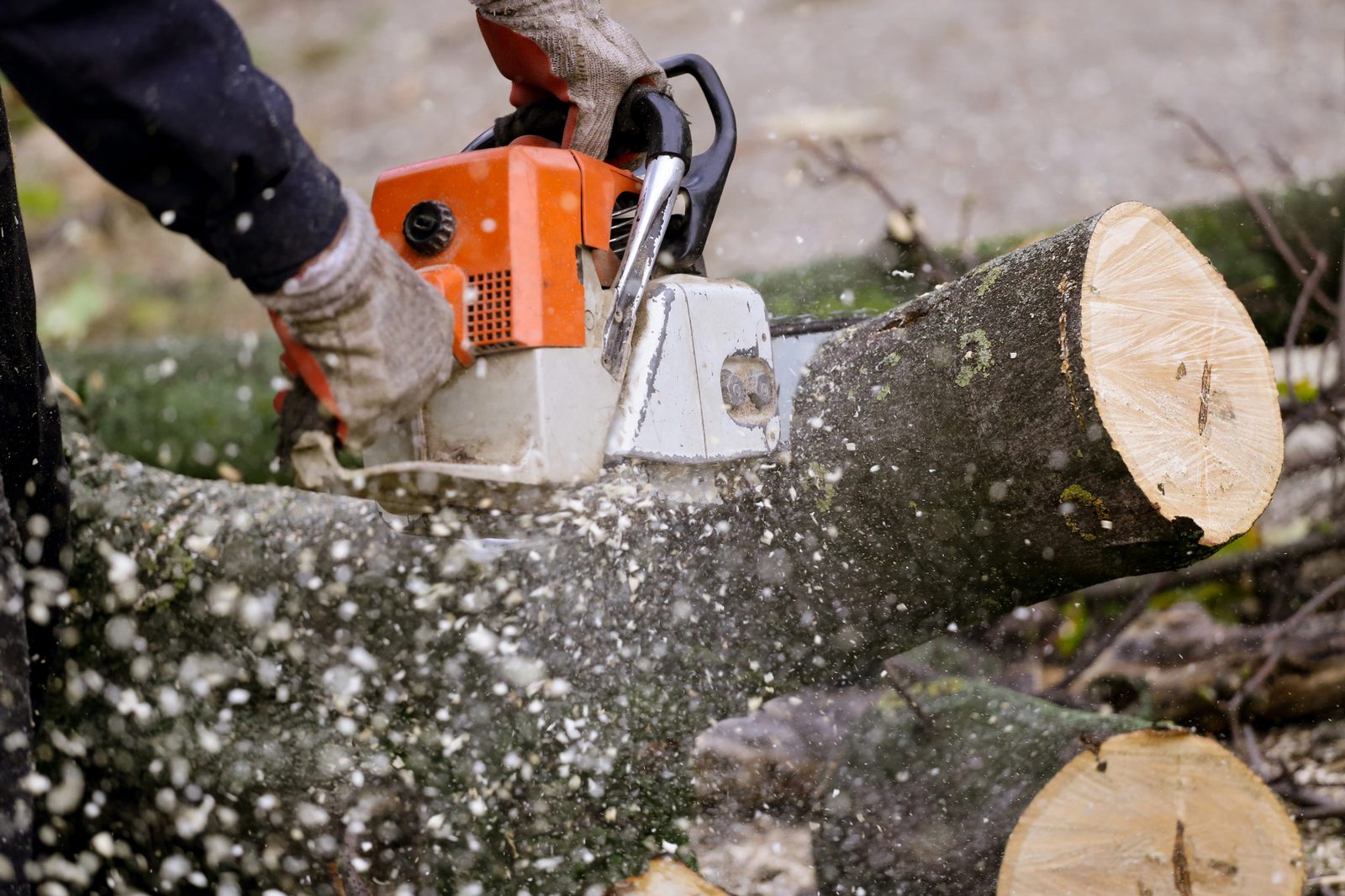
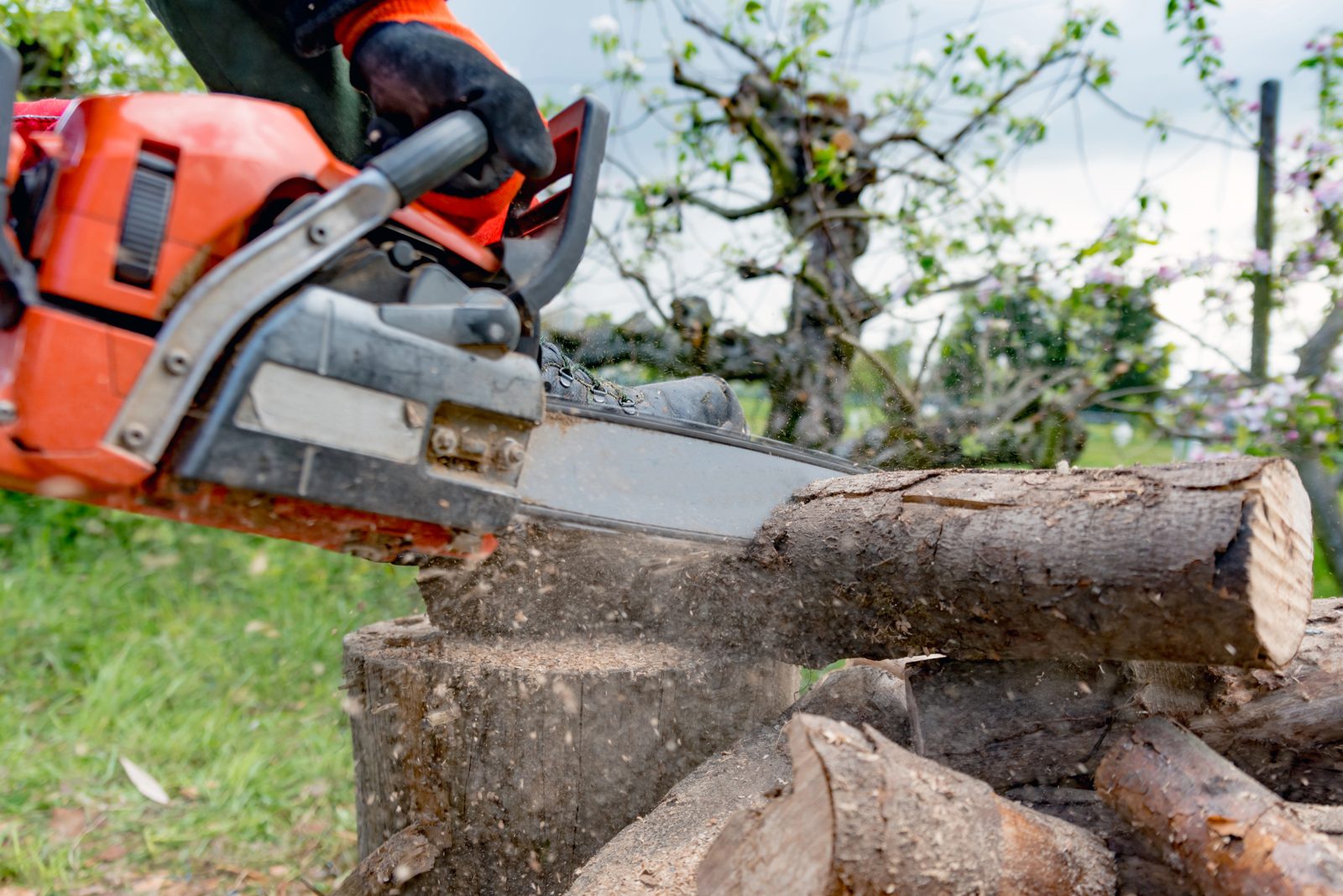
Small city lots are often cleared by hand with saws and a chipper, especially when the only access is from the alley. The brush is cut, dragged out and chipped, and larger trees are taken down in sections like any other removal.
Forestry mulching uses a machine with a rotating drum that grinds standing brush and small trees into mulch in place. It works well on larger, open parcels and leaves a layer of chips that helps hold the soil. On tight city lots, the machine may not fit or may be too much for the job.
Machine clearing with an excavator or skid steer is used when stumps and roots must come out for building. It moves the most material and leaves bare ground that needs to be graded and seeded or covered to keep soil from washing away.
Ask the contractor which method it recommends and why. On a small lot, the cheapest approach is often a mix: hand crews for the brush near fences and structures, and a machine only where stumps have to come out.
Watch
See Lot Clearing in Action
A short look at a crew cutting and chipping overgrowth on a small lot.
Common requests
Clearing Jobs That Come Up in the City
These are the kinds of clearing projects property owners in and around St. Louis often ask about.
Rehab site cleanup
Opening up a building for repair often means clearing trees from foundations, gutters and walls first.
Side lot or new lot
Buyers of vacant parcels usually want brush and volunteers cleared so the lot can be mowed.
Fence line clearing
Trees grown into chain link or wood fences along alleys are cut back so the fence can be repaired or replaced.
Garage or addition site
Building pads need stumps and roots removed and the ground prepared for a slab or footings.
Overgrown backyard
Rentals and inherited homes often need several years of growth cleared at once.
Invasive brush
Bush honeysuckle and similar shrubs are cut and cleared so native trees and lawn can recover.
Local ground
What Lies Under a St. Louis Lot
Much of the city sits on karst ground over limestone and dolomite, and in some places the soil over the rock is thin. A clearing crew that plans to pull stumps may hit rock sooner than expected, which affects both the method and the cost.
Older lots can also hold buried remains of earlier buildings: brick, stone, concrete footings and old basement fill. A lot where a house once stood can look like level ground but hide a filled foundation. Tell the contractor if you know a building was on the site.
Before any digging or stump pulling, call 811 or 1-800-DIG-RITE to reach the Missouri One Call System so public lines are marked. The service is free. Buried private lines are the owner's job to locate.
The River des Peres, which runs along the city's southern boundary, was largely channelized or buried in the 1920s and early 1930s. Low ground near old creek beds can stay wet after heavy rain, which can affect when machines can work without rutting the site.
How it works
Getting a Clearing Quote
Describe the lot
Call (314) 816-2884 or send the form with the address, rough size and what is growing there.
We pass it on
We send your request to an independent contractor who clears lots in your part of the city or nearby county.
Site walk and price
The contractor walks the lot with you or reviews photos, then quotes the clearing in stages if you want.
Your decision
Approve the work you want, change the scope or pass. The request costs nothing.
Ask whether the quote includes hauling, stump work and leaving the ground ready for seed.
Pricing
Published Land Clearing Costs
HomeGuide publishes national land clearing ranges by acre. City lots are often much smaller than an acre, so treat these as background. The contractor sets the actual price.
Overall range
HomeGuide puts land clearing at about $1,200 to $8,000 per acre, depending on how dense the growth is.
Light clearing
HomeGuide lists light clearing of shrubs, underbrush and small trees at about $1,200 to $2,500 per acre.
Heavy clearing
HomeGuide lists heavy clearing of dense vegetation and large trees at about $4,500 to $8,000 per acre.
Brush and mulching
HomeGuide lists brush removal at about $800 to $3,000 per acre and forestry mulching at about $500 to $1,000 or more.
Rock and rubble
HomeGuide notes that rocks and boulders may need excavation, which adds cost. Old foundations on city lots can have the same effect.
Debris disposal
HomeGuide says some contractors include debris removal and others charge separately, so ask which you are getting.
These are published national ranges. The independent contractor sets and confirms the price for your lot.
Use caution
Before You Clear Land That Is Not Yours
Make sure you own the land, or have written permission from the owner, before any clearing starts. Property lines on old city blocks are not always where fences sit, and a neighbor's tree cut by mistake can lead to a dispute. A survey is worth considering if the line is in doubt.
If any of the trees stand between the curb and the sidewalk, they belong to the City. Removing a healthy city tree requires a permit and carries a fee that helps pay for replanting.
We do not check contractors' licenses, insurance or credentials. Confirming those is your job before hiring. Ask for proof of insurance and confirm it with the insurer, and get a written scope that lists what will be cleared and what will be left.
Ask the crew how it will protect the trees you are keeping. Heavy equipment parked over roots, or soil piled against a trunk, can harm a tree that looked fine on clearing day and start its decline a year or two later.
Buyer question
Do I Need to Remove the Stumps After Clearing?
It depends on what the lot is for. If it will be mowed, cutting brush and small trees flush to the ground and grinding the larger stumps is usually enough. Stumps cut low on small volunteers often rot on their own over a few seasons.
If you plan to build, the stumps and main roots under the footprint generally need to come out, since rotting wood under a slab or footing can cause settling. That calls for machine work and adds to the cost.
For a garden or a new tree planting, grinding is usually the middle ground. Our stump grinding page explains what that involves and what published guides say it costs.
If the lot will be sold, a cleared and mowable parcel is usually easier to show. Ask the contractor for a price on the basic clearing and a separate price on stump work so you can decide how far to go.
Keep exploring
Related Services and Areas
Tree Removal
From dead ash along the alley to oversized maples crowding century-old brick homes, we connect city owners with independent tree services that remove trees in sections where gangways, garages and service lines leave little room.
Tree Trimming & Pruning
Big oaks and maples shade most city blocks, and we connect owners with independent tree services that prune deadwood, lift limbs off brick roofs and clear branches from the alley side without topping the tree.
Stump Grinding
Stumps left from city ash removals and old backyard maples are common here, and we connect owners with independent tree services that grind below grade after 811 marks the lines and limestone is accounted for.
Wellston
Wellston takes its name from Erastus Wells, the St. Louis transit pioneer who bought 66 acres here in 1868, and 27.6 percent of its 773 housing units stood vacant at the 2020 census.
Pine Lawn
Calls for tree removal in Pine Lawn often come from tight lots, since the city packed 2,754 residents into about 0.62 square miles at the 2020 census, one of the denser towns in north county.
Maplewood
Most of Maplewood's historic houses went up between 1900 and 1910 at the end of a streetcar line, so the big trees shading those lots have had more than a century to grow.
Lot Clearing Questions
Can a small city lot be cleared without heavy equipment?
Often, yes. Many small lots are cleared by hand with saws and a chipper working from the alley. Heavy equipment is mostly needed for stump pulling and grading.
Do I need a permit to clear my lot?
Trees between the curb and the sidewalk are city trees and need a Tree Permit to Maintain. For building or grading work, check with the City or your municipality about any other permits.
Can I keep some trees?
Yes. Mark the trees you want to keep and walk the lot with the contractor before work starts so everyone agrees.
Will clearing leave bare dirt?
Machine clearing usually does. Hand clearing and mulching tend to leave more ground cover. Ask about seeding or mulch to keep soil in place.
Do I need to call 811 before clearing?
Yes, before any digging, stump pulling or grinding. Call 811 or 1-800-DIG-RITE. The service is free.
Who does the clearing?
An independent local contractor. We operate this website and pass your request along. We do not do the work ourselves.
Talk to a Tree Service Serving St. Louis
Call (314) 816-2884 and we'll pass your request to an independent local tree service who can call you back with a price.
Call (314) 816-2884We operate this website and connect local customers with local tree services. St Louis City Tree Removal doesn't perform tree work, doesn't supervise tree services, and doesn't check any tree service's insurance, licensing, or credentials, so confirm those yourself before hiring.
Disclaimer
How This Website Works
Disclaimer: St Louis City Tree Removal operates this website to connect local customers and businesses in St. Louis, MO and nearby communities with independent local tree services. We are not a tree service, we do not perform, supervise, or warrant any tree work ourselves, and we do not check, verify, or confirm any tree service's license, insurance, bonding, credentials, or qualifications. Confirming those things is the customer's responsibility before hiring. Any price you're quoted comes from the tree service, not from us, and any agreement and the work itself are strictly between you and the tree service you choose. Calls placed through this site may be routed to an available local tree service. See the full disclaimer. Same-day and 24/7 emergency services are subject to provider participation, location, technician availability, and demand. Availability is not guaranteed and may vary by market and appointment capacity.